When exhibitors evaluate an exhibition after the event, attendance numbers matter. So do leads generated, conversations had, and orders placed. But ask them whether they will participate again, and the answer is often shaped by something less tangible: how the organizer made them feel throughout the process.
Was the application process straightforward? Did they get clear information about their stall allocation? Were their documents acknowledged? Were their questions answered quickly? When something changed, were they informed or did they have to find out?
These are not questions about the quality of the event itself. They are questions about the quality of the operation behind the event. And in a competitive space where exhibitors have multiple events to choose from each year, operational quality is a significant factor in their decision to return.
The Exhibitor's Journey Before the Event
The exhibitor experience begins long before the event opens. It begins at the application stage, with the first communication from the organizer.
In a well-run process, the exhibitor submits their application through a clear channel, receives confirmation that it has been received, and is updated as it moves through the approval process. They know when to expect a decision. When the decision is made, they are informed promptly with the relevant details.
In a less structured process, the exhibitor emails an interest form, waits, follows up to check if it was received, waits again, and eventually gets a response that does not clearly explain next steps. This creates frustration before the relationship has even formally begun.
The same pattern continues through stall allocation. In a connected system, the exhibitor receives their allocation details, can see their stall on a floor plan, and has a reference point for all subsequent communication. In a fragmented system, stall information may come through multiple emails, be subject to revision without clear communication, and require repeated follow-up to confirm.
Document Collection as a Trust Signal
The process of collecting required documents from exhibitors is one of the most underappreciated aspects of exhibition management. It is administrative and unglamorous. It is also one of the clearest signals an exhibitor receives about how professionally an event is run.
When an organizer has a clear document checklist, communicates it clearly, acknowledges receipt when documents are submitted, and follows up specifically on missing items, it tells the exhibitor something important: this organization is systematic. They know what they are doing. They will manage the event the same way.
When the document collection process is managed through email and spreadsheets, the opposite message often comes through. Requests are repeated for documents already submitted. Acknowledgements do not arrive. Follow-ups reference information that the exhibitor already provided. The implicit message is: we are managing this on the fly. You cannot be sure what else we are managing on the fly.
The Stall Allocation Conversation
Stall allocation is where exhibitor expectations most often come into conflict with operational reality. Every exhibitor prefers a corner stall, a spot near the entrance, or a position adjacent to complementary categories. Most of these preferences cannot be accommodated simultaneously.
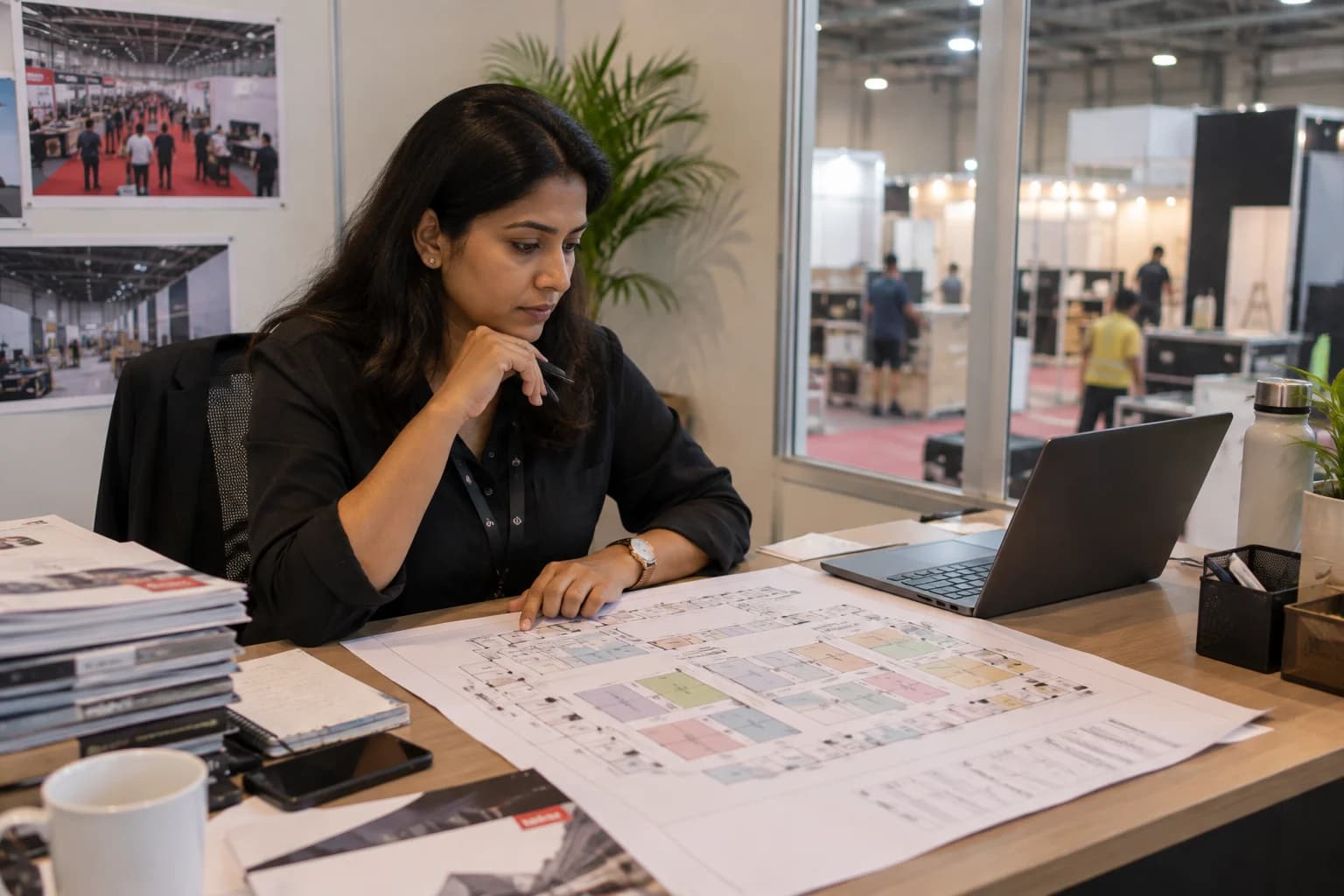
The way an organizer handles this conversation matters significantly. When stall allocation is managed through a connected system with a visible floor plan, the conversation becomes concrete. The organizer can show the exhibitor where their stall is, explain the rationale for the allocation, and have a productive conversation about alternatives if necessary.
When allocation is managed through a spreadsheet that the organizer cannot easily share or update in real time, the conversation is more difficult. Exhibitors cannot see the floor plan. Changes are hard to track. Errors are discovered late and create situations where someone ends up without the space they were promised.
Every stall allocation error that reaches the exhibition floor damages the organizer's relationship not just with the affected exhibitor but with everyone who witnesses it being handled.
Payment as Part of the Experience
Payment management is another operational area where the quality of the system directly affects the exhibitor experience.
When an exhibitor makes a payment and receives prompt confirmation, the transaction feels complete. They can focus on preparing for the event. When payment is made and there is uncertainty about whether it has been received and processed, the exhibitor carries a background concern that should not exist.
The situations where exhibitors are chased for payment they have already made are not rare in events managed through fragmented systems. These situations create friction, require additional communication to resolve, and leave the exhibitor with a specific memory: I paid, and they did not know. That memory affects the relationship going forward.
Conversely, exhibitors who have not paid and are not followed up on create a different problem for the organizer: revenue that was committed and not collected, and an exhibitor who arrives at the event with outstanding dues that create an awkward situation.
What Exhibitors Actually Talk About After the Event
The conversations that happen between exhibitors after an event are not primarily about the content of the event or even the quality of their individual results. They are about logistics.
Which organizer had everything clearly organized from the start? Which one sent correct information consistently? Which one was easy to reach when there was a question? Which one handled the stall change request efficiently?
These conversations shape the reputation of an event in the industry. Exhibitors talk to other exhibitors. A well-managed process gets mentioned positively. A poorly managed one gets mentioned as a warning.
For organizers who are building their events over multiple editions, this reputation compounds. The exhibitions that become industry standards in their category are not always the largest or the best-funded. They are often the most reliably well-managed.
How Nexhibit Supports the Exhibitor Experience
Nexhibit is designed around the full lifecycle of the exhibitor relationship, from initial application to post-event reporting. The intent is that every interaction an exhibitor has with the organizer through the platform is clear, documented, and connected to their record.
Applications are submitted through a defined process. Approvals and rejections are communicated through the system. Document collection is tracked per exhibitor. Stall allocation is visible on an interactive floor plan. Payment status is updated in real time. Communication sent through the platform is logged and accessible to anyone on the organizing team.
The result is that an exhibitor dealing with an organizer using Nexhibit is dealing with a team that can answer any question about their account accurately and immediately, without having to check a spreadsheet, search an email thread, or call someone else for the information.
That level of responsiveness is not just operationally convenient. It is a relationship asset. It tells exhibitors something about how the event is being run and, by extension, how seriously the organizer takes the experience of the people who participate in it.
Building Events That Exhibitors Come Back To
Exhibitor retention is one of the most important metrics for any exhibition organizer building a long-term event property. Acquiring new exhibitors for every edition is expensive and unpredictable. Retaining exhibitors who had a good experience is relatively straightforward: deliver value, communicate well, manage the process professionally.
The operational system an organizer uses is not separate from the value they deliver. It is a fundamental part of it. Events that run on connected, organized systems create a more professional experience for exhibitors at every touchpoint. Events that run on fragmented systems create friction that accumulates throughout the relationship.
The decision to return next year is made across every interaction throughout the current year. Organizers who understand this invest in the systems that make those interactions consistently professional. The exhibitions that become institutions in their industries are built that way.